Resolved in Rangoon
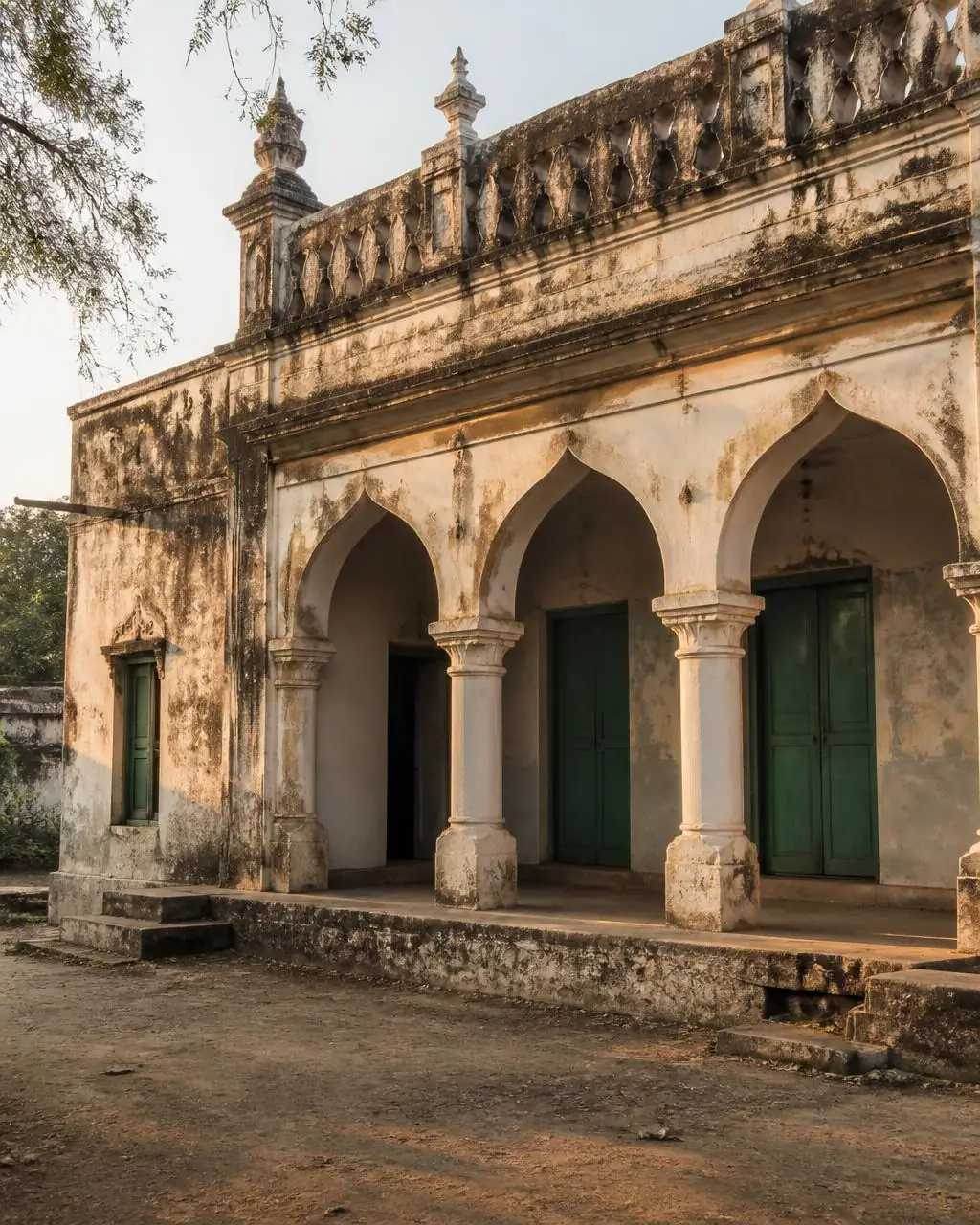
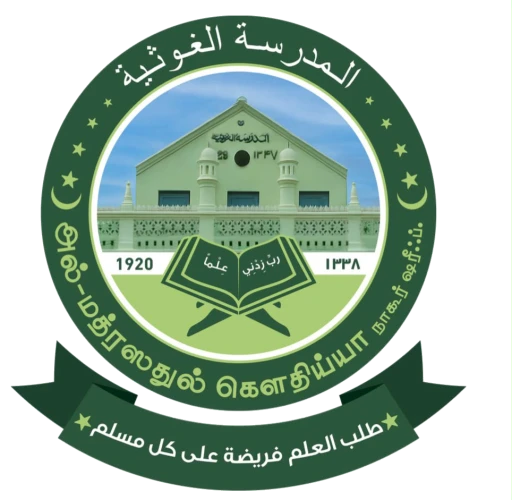
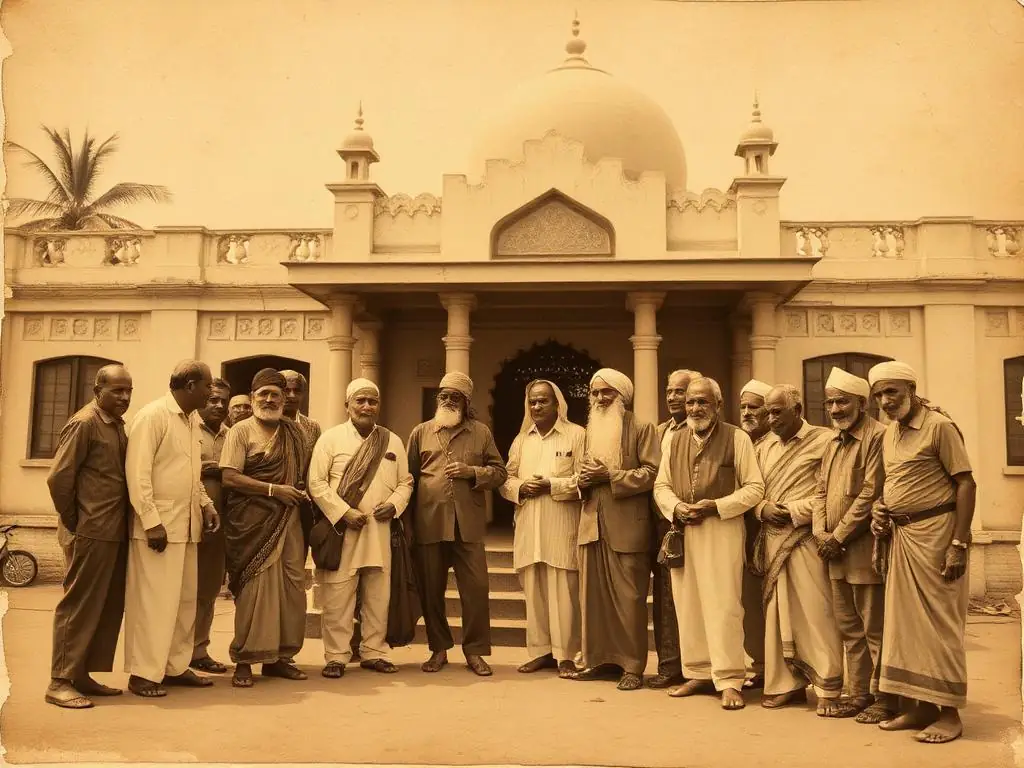
Nagore merchants trading in Burma put the question at a meeting in Rangoon — what shall we call it? — and settled on Ghouthiyya, after Ghouthul Azam Abdul Qadir al-Jilani. The name came home, the muhalla ratified it, and on 23 March 1920 the Sangam was registered: the first sangam registered in Tamil Nadu, the souvenir records. The traders bought the ground and building for Rs 1,700, when a gold sovereign cost Rs 1.85, and shipped ten tons of teak home by sea. In April 1921, its hall still going up, the Sangam joined in receiving the Ali Brothers and their mother Bi Ammaa for the Khilafat movement — and carried her in procession from the railway station the following year. In 1922 a general body of 127 members elected its first committee under Haji A. M. Siddique Malimar; a madrasa and a thinnai school opened at 22 South Street; and on 22 November, 330 men and women of twelve streets signed the Ezhu Lebbai Jamia Masjid — three centuries old, and thirty-five years without settled administration — into the Sangam's care. On 25 August 1929 the general body resolved that girls must be taught alongside the madrasa.