
நற்கல்வி
Nar-kalvi · Good learning
The Sangam began as a madrasa and became a school; its stated aims today are to see the higher secondary school made government-aided, and to grow the Ghouthiyya schools into a college.
Who We Are
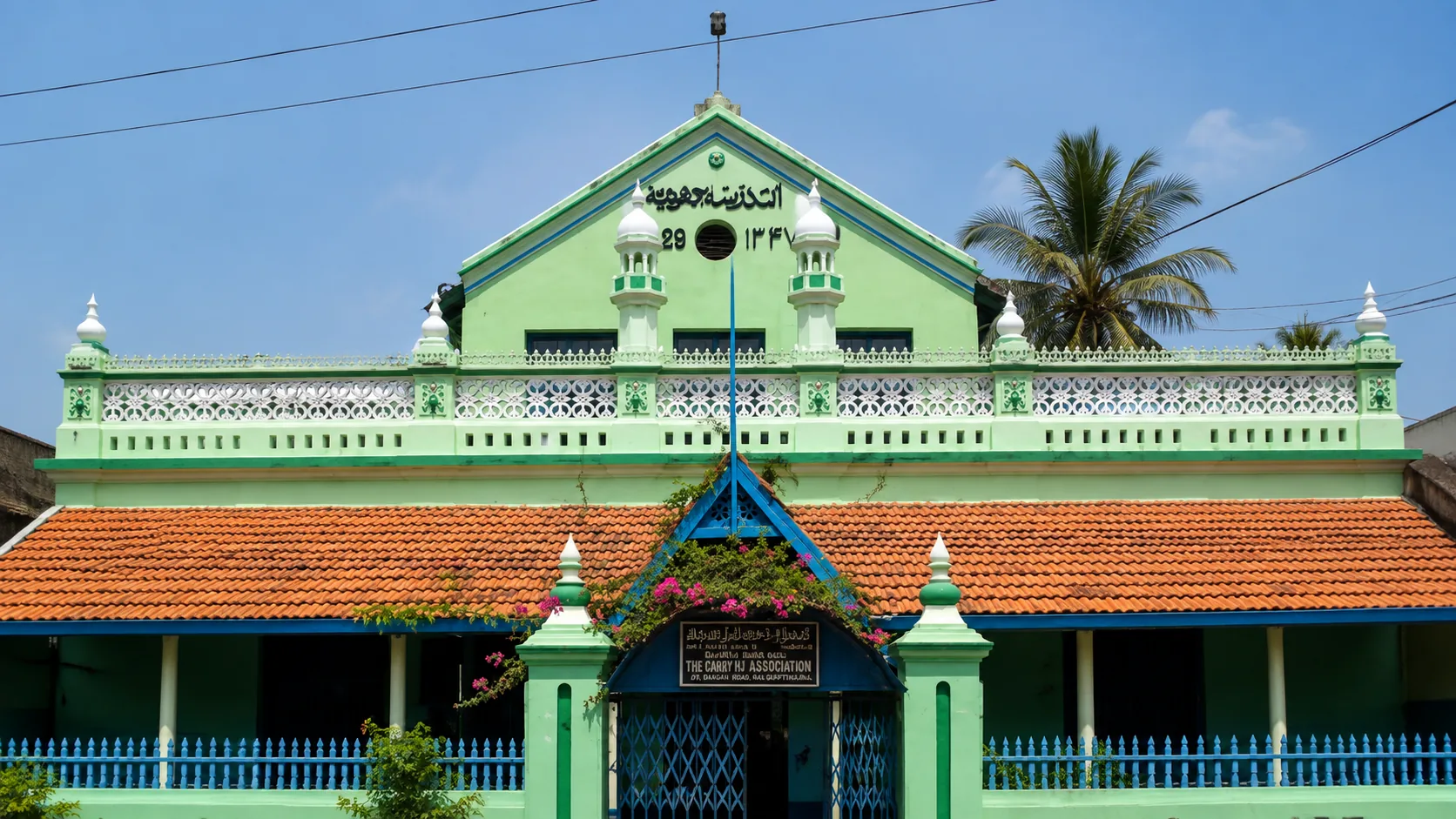
Nagore Ghouthiyya Sangam was registered on 23 March 1920 — said to be the first sangam registered in Tamil Nadu. It was resolved upon not in Nagore but in Rangoon, among Nagore merchants trading overseas, who sent home the money and the timber to raise a hall for the town they had left.
The Name
In the age of sail and steam the merchant families of Nagore traded into Burma, and it was at a meeting of Nagore men in Rangoon that the question was put: what shall we call it? The name settled on was Ghouthiyya, after Ghouthul Azam Muhiyuddin Abdul Qadir al-Jilani. The name was carried home, the muhalla was convened, and the resolution was ratified in Nagore.
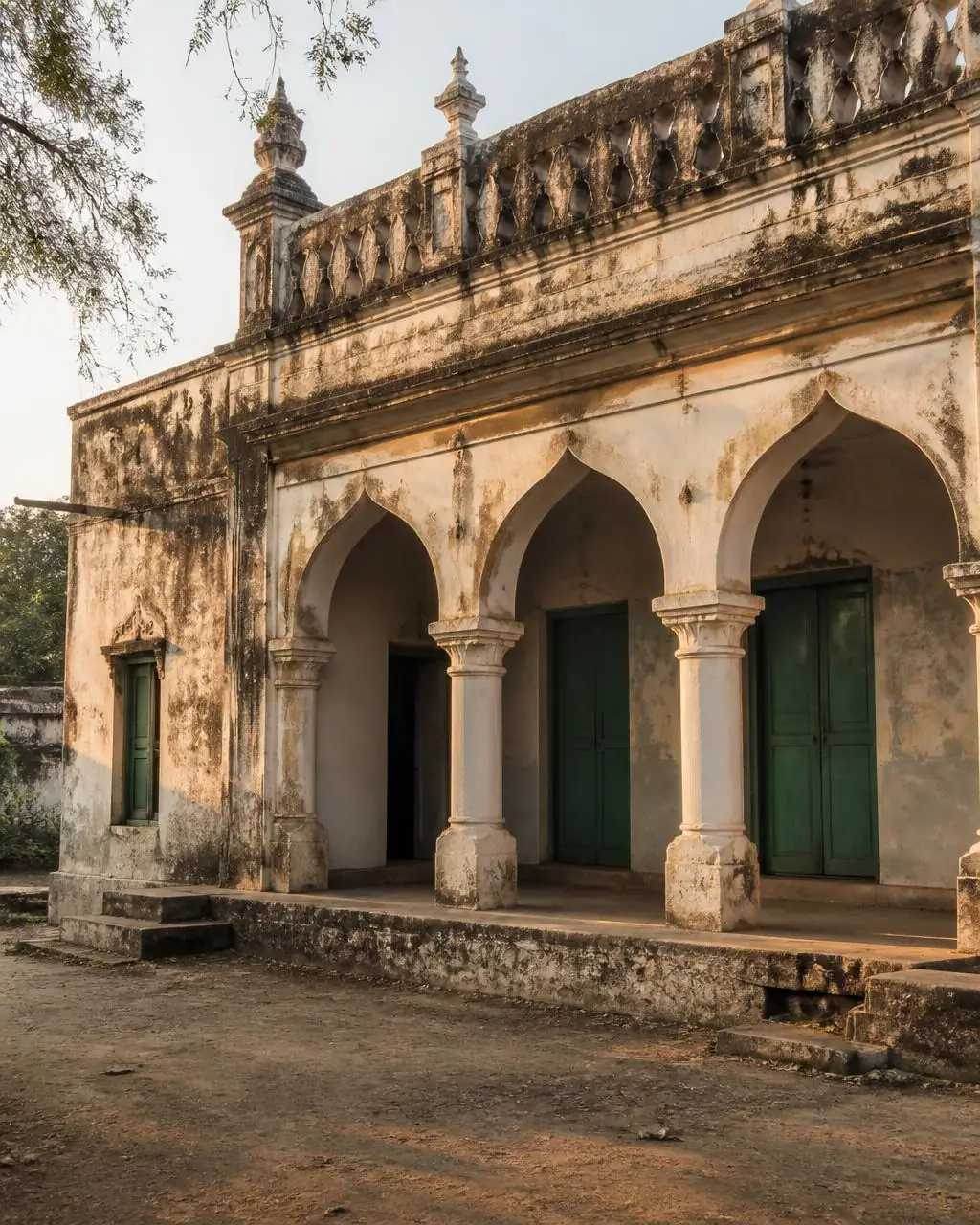
The traders’ committee in Rangoon bought the land and building for Rs 1,700 — a sovereign of gold cost Rs 1.85 that year — and shipped ten tons of teak home by sea. By 1922 the hall stood, an ustad had been appointed, and a school had opened on the thinnai to the fifth standard.
We are a lay body, not a religious authority. Matters of fiqh remain with the ulama of Nagore; the Sangam confines itself to its schools, its madrasa, the mosque in its care and the common obligations of the muhalla.
ஜாதி, மத, இன, மொழி வேறுபாடின்றி அனைத்து சமூகத்தினரும் கல்வி பயின்று வரும் சிறந்தொரு பள்ளியாக
Our Values
The four words the Sangam printed on its centenary emblem: good learning, discipline, humanity, achievement.
நற்கல்வி
Nar-kalvi · Good learning
The Sangam began as a madrasa and became a school; its stated aims today are to see the higher secondary school made government-aided, and to grow the Ghouthiyya schools into a college.
ஒழுக்கம்
Ozhukkam · Discipline
“Learning is the imperishable wealth of a person; all else is not true wealth” — the Thirukkural couplet quoted in the President’s centenary message.
மனிதநேயம்
Manithaneyam · Humanity
“Let us do what we can, for those who have not” — the ideal in which the elders founded the Sangam for the advancement of the community.
சாதனை
Saathanai · Achievement
Children of every community study in the Sangam’s schools, taught by teachers of every community, without distinction of caste, religion, race or language.
Governance
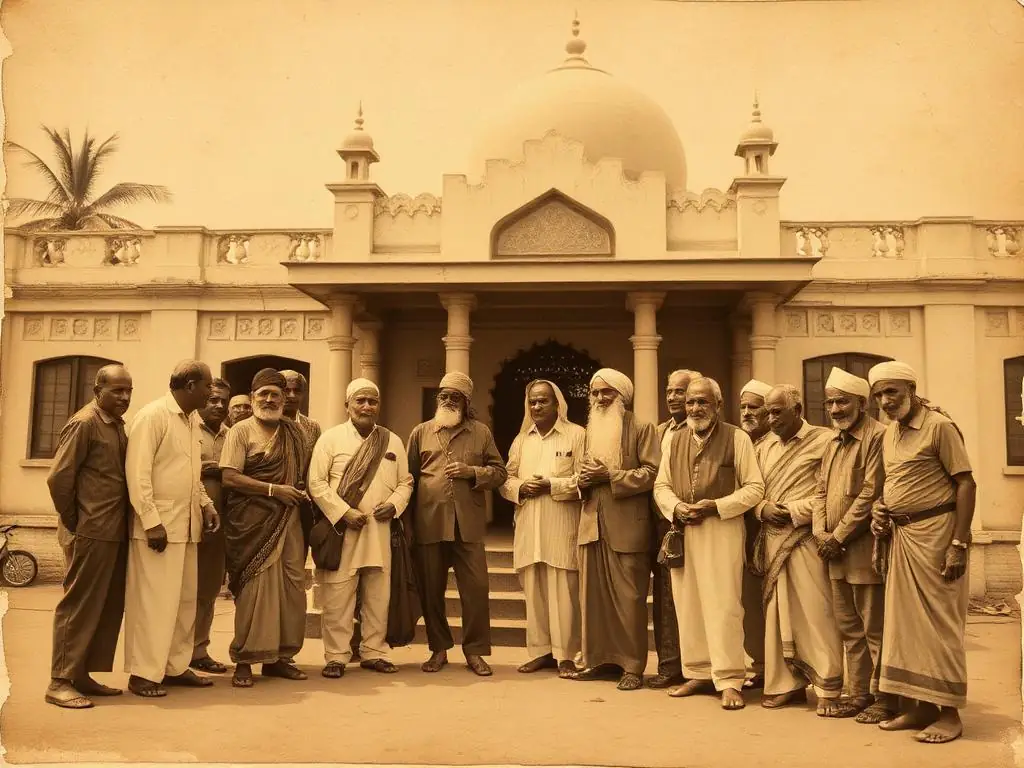
Constituted in 1922 by a general body of 127 members, which elected a committee of about twenty-five. A register of members has been kept, and identity cards issued, since 1996.
The body that elects the executive committee. In 1922 it numbered 127 members; a register has been kept and identity cards issued since 1996.
Twenty members elected by the general body, alongside the principal offices. Its sanction may annul a decision taken without it — the souvenir calls the arrangement “pucca democratic”.
Three mutawallis, elected by the executive committee, administer the Ezhu Lebbai Jamia Masjid, the Sangam's lands and the endowments held in trust.
The office that answers for the Ghouthiyya schools before the education department, and through which the government's building grants have come.
The Archive
Every resolution, subscription and relief payment of the last hundred and fourteen years sits in bound ledgers in the trustees’ room. Members may read them on request; researchers are welcomed by appointment.
Our Intention
“கௌதிய்யா சங்கம் என்பது விழுதுகள் படர்ந்த ஓர் ஆலமரம்.”
“The Ghouthiyya Sangam is a banyan whose aerial roots have spread” — from the centenary souvenir